
Why is mold a concern after fire damage in Plant City?
Mold poses serious risks after fire damage in Plant City. Learn why and how to prevent it effectively.
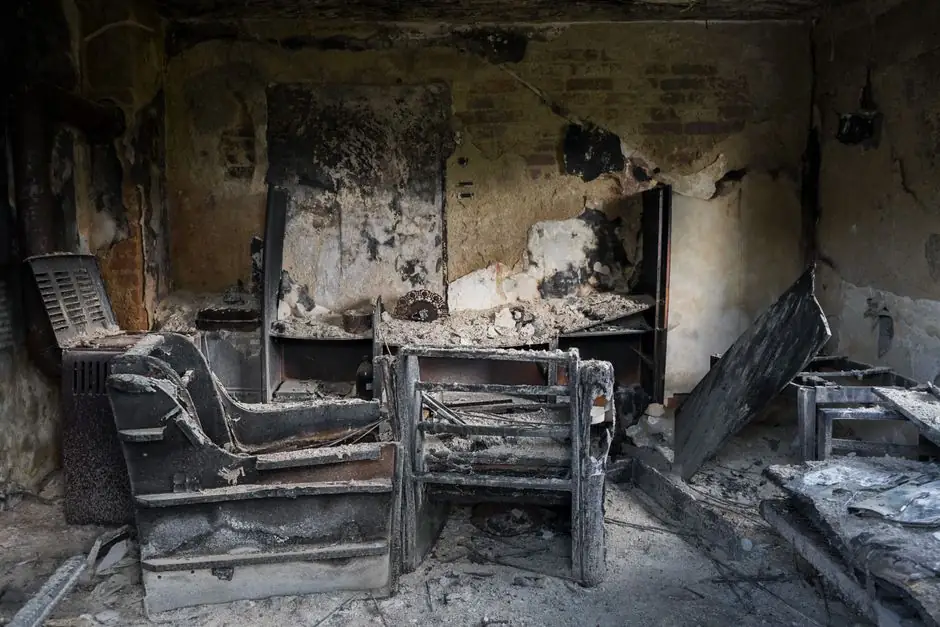
Mold is a significant concern after fire damage in Plant City because it can develop rapidly in the presence of moisture and organic material. After a fire, the combination of water used to extinguish the flames and the charred remnants of the structure creates an ideal environment for mold growth.
This article will explore why mold is a concern after fire damage, the risks involved, prevention strategies, and when to call for professional help.
Why is mold a concern after fire damage?
Understanding why mold is a concern after fire damage in Plant City is crucial for homeowners. Mold not only damages property but can also lead to serious health issues, including respiratory problems and allergic reactions.
Why does mold grow after fire damage?
Mold grows after fire damage primarily due to the moisture introduced during firefighting efforts. The water used to extinguish the flames can seep into walls, ceilings, and floors, providing a breeding ground for mold spores.
In Plant City, the humid climate exacerbates this issue. Mold spores thrive in warm, moist environments, and the typical humidity levels in the area can lead to rapid mold growth within 24 to 48 hours post-fire.
Risks of mold after fire damage in Plant City
The risks of mold after fire damage in Plant City are multifaceted. First, mold can compromise the structural integrity of your home. It can weaken walls and ceilings, leading to costly repairs.
Second, mold poses serious health risks. According to the CDC, exposure to mold can lead to symptoms such as nasal congestion, throat irritation, and skin rashes. Prolonged exposure may result in more severe respiratory issues, particularly for individuals with asthma or weakened immune systems.
Additionally, mold can lead to unpleasant odors, making your home uninhabitable. Homeowners often find that mold remediation can be expensive, sometimes costing between $500 and $6,000, depending on the extent of the damage.
What to watch for regarding mold after fire damage
After a fire, you should watch for several signs of mold growth. Look for:
- Visible mold spots on walls, ceilings, or floors.
- A musty odor, which often indicates mold presence.
- Increased allergy symptoms among household members.
Regular inspections of your property can help catch mold issues early. Pay attention to areas that were exposed to water during firefighting efforts, as these are the most likely places for mold to develop.
Mold prevention tips after fire damage
Implementing mold prevention tips after fire damage in Plant City is essential to protect your home. Here are several effective strategies:
- Dry out the area: Remove any standing water and use fans and dehumidifiers to dry out the space.
- Inspect for hidden moisture: Look behind walls and under floors for hidden moisture pockets.
- Use mold-resistant materials: When repairing your home, consider using mold-resistant paints and drywall.
- Maintain proper ventilation: Ensure your home is well-ventilated to reduce humidity levels.
By taking these steps, you can significantly reduce the likelihood of mold developing in your home.
When to call a professional
If you suspect mold has developed after fire damage, it's crucial to call a professional. Mold remediation requires specialized training and equipment to ensure complete removal and prevent future growth. Plant City Fire & Smoke Restoration offers expert services tailored to your needs.
Frequently Asked Questions
Why is mold a problem after fire damage in Plant City? Mold is a problem after fire damage due to the moisture introduced during firefighting efforts, creating an environment conducive to mold growth.
What can I do to prevent mold after fire damage in Plant City? To prevent mold, dry out affected areas promptly, inspect for hidden moisture, and maintain proper ventilation.
Is mold common after fire damage in Plant City? Yes, mold is common after fire damage, especially in humid environments like Plant City, where moisture levels can rise quickly.
How does fire damage lead to mold in Plant City? Fire damage leads to mold by introducing moisture from firefighting efforts, combined with organic materials that serve as food for mold spores.